Garage Doors and Home Resale Photos: What Buyers Notice First

Royal Garage Doors has customer feedback on its Etobicoke Google profile and technicians with hands-on experience installing and repairing doors across Toronto and the wider GTA.
What do home buyers notice first about a garage door in listing photos?
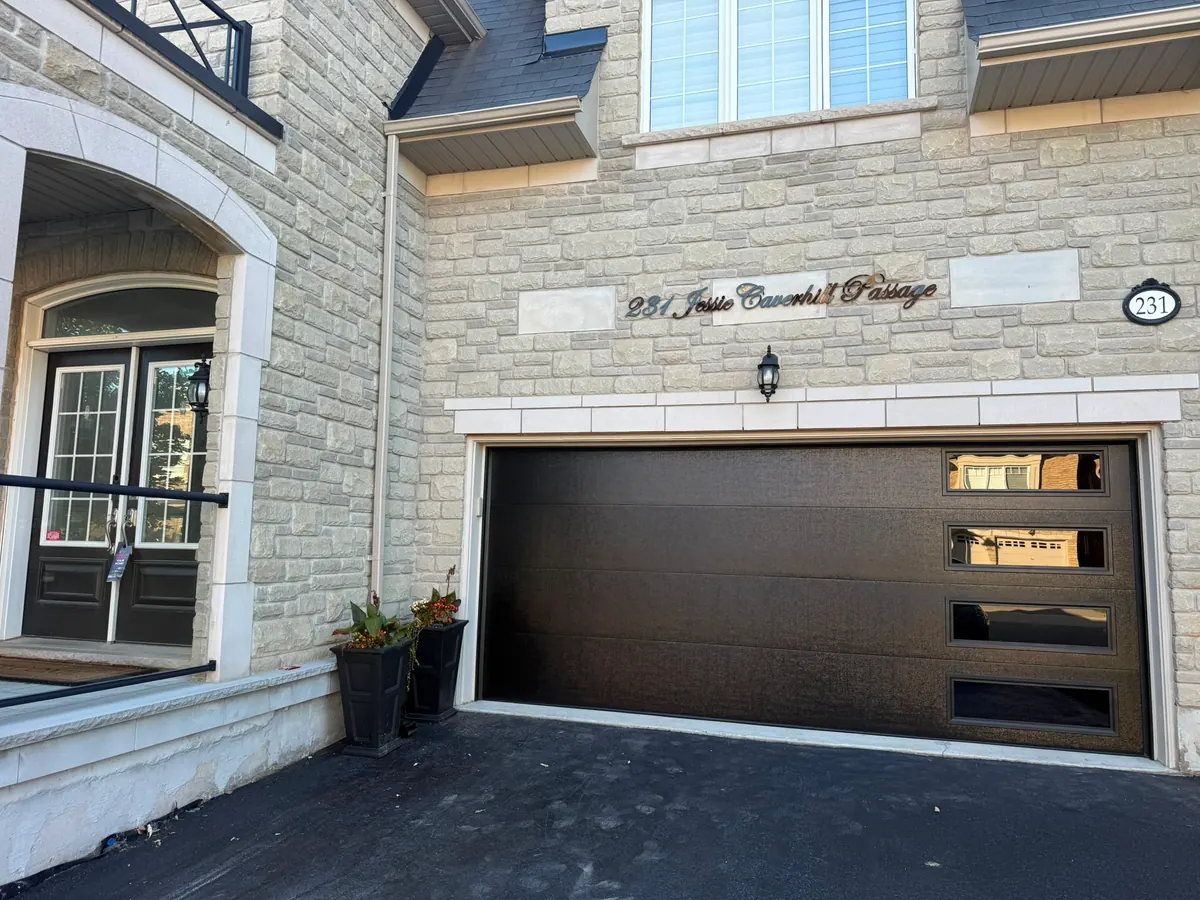
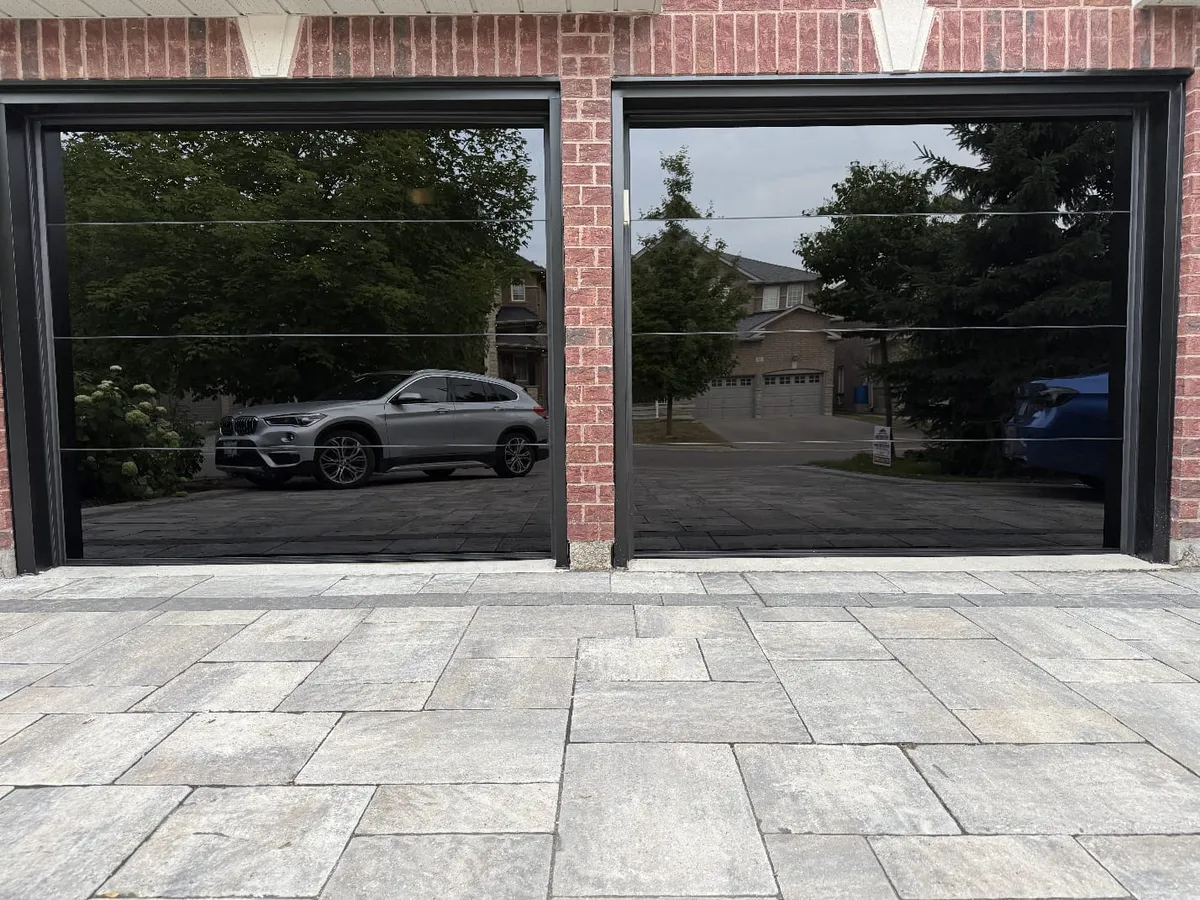
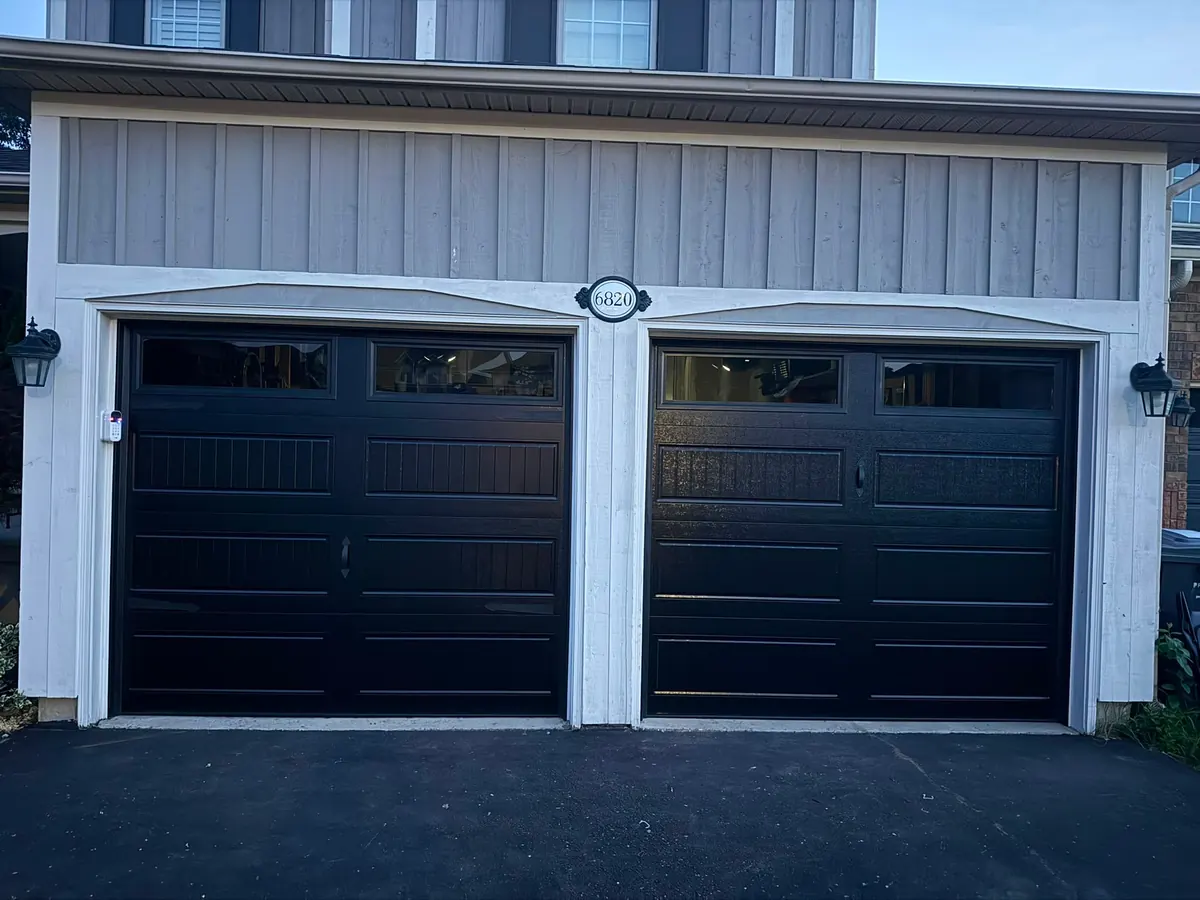
Garage door condition is one of the first things buyers notice in listing photos, since the door is often the single largest exterior surface in the shot. Royal Garage Doors recommends cleaning, touch-up paint, and fresh weatherstripping before photos — small fixes that typically cost $120–$260, far less than buyers assume a worn-looking door will cost to fix.
Do I need to replace my garage door before selling my house?
In most cases, no. Cleaning, a paint touch-up, and functional repairs address what buyers actually notice in photos and showings. Replacement is worth considering separately only if the door has
- Customer feedback
- Read our Google reviews (Etobicoke profile)
- Experience
- Garage door service across the GTA
- Repair warranty
- 1-year parts and labour unless a specific written warranty overrides it
- Author
- Royal Garage Doors, Garage door repair and installation
Why the garage door carries more weight in your listing photos than you'd expect
Look at the lead photo on almost any GTA listing and the garage door is doing more visual work than anything else on the front elevation. On a typical two-car home in Mississauga, Vaughan, or Brampton, the door can take up a third of the frame — more surface area than the front door, the windows, and the walkway combined. Buyers scroll past dozens of listings in seconds, and a door that looks tired pulls the eye before the rest of the house gets a chance to make its case.
What buyers actually notice first
It's rarely the door style itself. Buyers scrolling MLS photos aren't comparing carriage-house panels to flush steel — they're reacting to condition, and they react fast:
- Grime and streaking at the bottom few feet of the panels, where road salt and splashback collect over a GTA winter.
- Chalky or faded paint, especially on darker colours, which show UV fade first.
- A visible dent or dinged corner — usually from a car mirror, a stray hockey net, or a snowblower.
- A crooked or uneven door that sits slightly higher on one side, which reads as neglect even when it's a simple spring fix.
- Gaps at the bottom seal where daylight shows through, especially noticeable in a wide-angle exterior shot.
None of these are big renovation items. All of them are the kind of thing a buyer's brain flags in under two seconds of looking at a thumbnail.
The cheap fixes worth doing before the photographer shows up
Before you spend money on anything structural, work through the low-cost list first — it's what actually moves the needle in photos.
Clean it properly
A hose and a soft-bristle brush with mild detergent removes most of what a season leaves behind on steel and aluminum doors. For heavier grime, a low-pressure wash — holding back from the seams and weatherstrip — gets doors looking close to new for the cost of an afternoon.
Touch up the paint
Small chips and scuffs, especially at the bottom panel where carts and bikes clip the door, are worth a matching touch-up before photos. If the whole door has gone chalky or faded, a full repaint with exterior-grade paint made for steel usually costs less than most sellers assume, and it reads as a fresh door in photos even on an older frame.
Replace the weatherstripping
Cracked, curled, or missing bottom seal is one of the most visible "this house hasn't been maintained" signals in a wide driveway shot, and it's also one of the cheapest fixes on this list. New weather stripping and bottom seal runs $120–$260 + tax depending on door size, and it tightens up the whole bottom edge of the door in a single visit.
When it crosses from cosmetic into "fix this before you list"
Some issues won't show up in a photo but will show up the moment a buyer's agent, home inspector, or the buyer themselves tests the door during a showing — and a door that groans, sticks, or won't fully close is a worse impression than a faded panel ever was.
| What's happening | Likely cause | Typical cost |
|---|---|---|
| Door looks crooked, or one side sits lower | Worn or broken torsion spring | $280 (single) / $320–$460 (double) |
| Door won't close, or reverses on its own | Dirty or misaligned safety sensors | $120–$180 |
| Grinding or rumbling when opening | Worn rollers | $120–$220 |
| Door jumps the track or opens unevenly | Off-track or bent track | $180–$450 |
| Dented or cracked panel | Impact damage | $500–$1,000 |
A buyer testing the opener during a showing and hearing it grind, or watching the door reverse on its own because a sensor is dirty, plants a doubt that no amount of staging fixes. If your door does any of these things, get it looked at before the sign goes on the lawn, not after an inspection report flags it.
Don't confuse "needs cleaning" with "needs replacing"
It's easy to look at a faded, slightly dented door and jump straight to replacement. In most pre-listing situations that's overkill — a clean, painted, properly sealed and adjusted door photographs and functions like a much newer one for a fraction of what a new door costs. Replacement earns its keep when the door itself has failed structurally — rust-through, warped panels, a frame that's out of square — rather than when it's simply dirty or a few years faded. If you're weighing that bigger decision, that's a separate budget conversation from the quick fixes here.
Staging the actual photo
Once the door itself is in good shape, a few small choices in how it's shot make a real difference:
- Shoot with the door fully closed — an open door draws the eye into a cluttered garage interior, which photographers and agents both avoid for good reason.
- Move bins, hoses, and sports equipment out of frame before the shot, not just out of the driveway.
- Shoot in flat, overcast light or early morning/evening — harsh midday sun on a steel door shows every streak and reflection.
- If the driveway sealant or the lawn edge near the door is in rough shape, tidy that too — it's in the same frame and pulls attention the same way.
Royal Garage Doors recommendation
Before you call a photographer, walk up to your own garage door the way a buyer would — from the end of the driveway, at eye level, in daylight. If it's dirty or faded, clean it and touch up the paint. If the weatherstripping is cracked or gapping, that's a $120–$260 fix that tightens up the whole bottom edge. And if the door is crooked, noisy, or doesn't close smoothly, get it repaired before it becomes a showing-day surprise or an inspection note. Royal Garage Doors has handled this exact pre-listing checklist for GTA sellers, backed by customer feedback on our Etobicoke Google profile. The service call is free with any repair, so there's no cost to finding out what's actually wrong. Check current pricing for all repair and maintenance rates, or book a pre-listing inspection today.
Related reading: Budgeting for a New Garage Door Before You List Your GTA Home.
Frequently Asked Questions
Do I need to replace my garage door before selling my house?
In most cases, no. Cleaning, a paint touch-up, and functional repairs address what buyers actually notice in photos and showings. Replacement is worth considering separately only if the door has structural damage, like rust-through or warped panels, rather than just cosmetic wear.
What garage door repairs are worth doing before listing?
Prioritize anything a buyer can see or hear during a showing: a crooked or sagging door (usually a spring issue, $280 for a single spring), a door that won't close smoothly (often dirty or misaligned sensors, $120–$180), and cracked or missing weatherstripping ($120–$260).
Will a dirty or faded garage door actually hurt my listing photos?
Yes. On most homes the garage door is one of the largest surfaces in the front-elevation photo that leads the listing, so grime, faded paint, and gaps at the bottom seal are among the first things a buyer's eye registers, even before they consciously notice the door's style.
How much does it cost to fix a garage door before selling?
It depends on what's wrong. Cleaning and a paint touch-up cost little beyond your own time. New weatherstripping runs $120–$260, a torsion spring repair is $280, sensor repair is $120–$180, and a damaged panel replacement is $500–$1,000 — all well below what a full door replacement costs.
Should I repaint my garage door before listing, or just clean it?
Start with a thorough clean; it resolves most streaking and dirt on its own. If the paint underneath is chalky, faded, or chipped once it's clean, a touch-up or full repaint with exterior-grade steel paint is worth the small cost, since it photographs like a much newer door.
Sources & standards: Garage door safety follows the UL 325 standard for automatic operators. For safe manual operation, see Chamberlain's emergency-release guidance. Pricing reflects current Royal Garage Doors rates for the GTA.
The bottom line: done right, the result is a garage door that opens quietly, balances correctly and is safe to use every day — backed by Royal's 1-year labour warranty so the outcome lasts.